Why Does Turkish Sıkma Change Colour?
Pressed amber tasbih beads darken, redden and deepen over time. Here is what oxidation, light, skin contact and heat actually do to the surface, which tones shift in which direction, and how to slow it down.
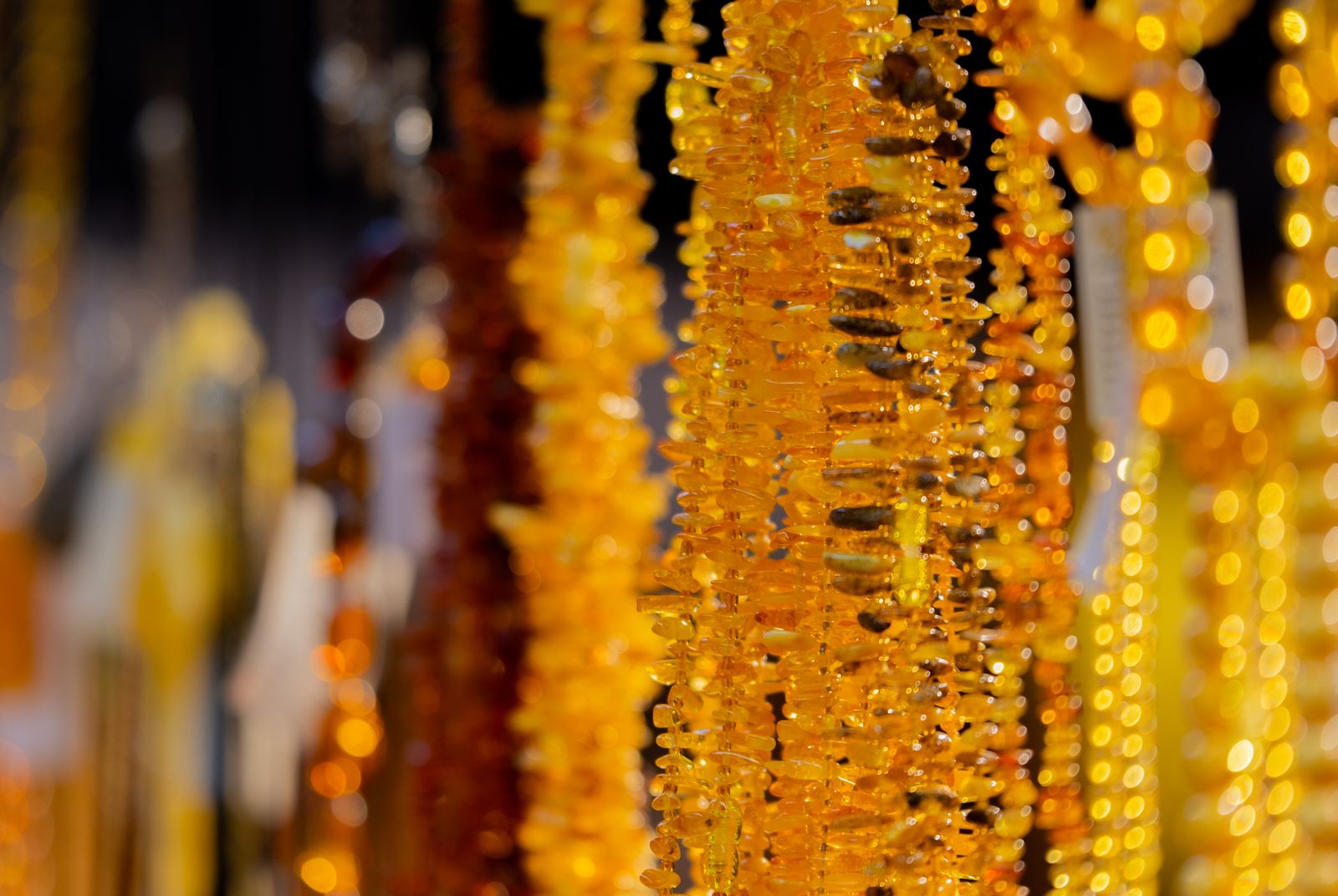
Put a photo of a pressed amber tasbih taken the day you bought it next to the same piece two years later, and you will usually see the difference with the naked eye. The light honey has gone darker, the red has turned towards cherry, and the face of each bead that sits in your hand has deepened a tone more than the rest. None of this means the tasbih has gone bad — it is the clearest proof that what you are holding is organic, not plastic.
This article explains why pressed amber changes colour, how much each factor contributes, and what to do if you want to slow the process down.
What Pressed Amber Is, and Why It Behaves Like a Living Surface
Pressed amber is made by rejoining small pieces and powder of natural amber under heat and pressure. What is inside is still amber: fossilised tree resin, organic in origin. Unlike glass or acrylic it is not chemically inert; its surface is in constant exchange with air, light and skin.
That is precisely why pressed amber takes on colour over time. None of the tones in our pressed amber collection is a fixed layer of paint — each one is the colour of the material itself, and that colour keeps living.
The Five Factors Behind the Change
1. Oxidation
The slowest but most permanent factor is oxidation. Molecules on the bead surface react with oxygen and form a layer only microns thick. Because that layer refracts light differently, the tone deepens: lemon moves towards honey, honey towards red, red towards dark brown. Collectors call this depth a patina, and on older tasbih it is treated as a mark of value rather than a defect.
2. Light and Ultraviolet
Direct sunlight accelerates oxidation noticeably: a tasbih left for months behind display glass darkens far faster than an identical piece kept in a drawer. Light arriving from a single direction causes the most common problem — one face of each bead darkens while the other stays pale, and the strand looks patchy.
3. Skin Contact: Sweat, Natural Oils, Perfume
On a tasbih used every day, the beads meet the oils of your hand constantly. Those oils fill the fine pores on the surface and change how light enters the bead, both darkening and deepening the tone — which is why a well used tasbih looks richer than one kept in a box. With handmade prayer beads the effect is usually welcome: the piece takes on a tone specific to the hand that carries it.
4. Heat and Humidity
Car dashboards, radiator tops, bathroom steam and sudden temperature swings all stress the material. A fine network of cracks, barely visible, can form on the surface; because those cracks scatter light, the colour goes flat instead of deepening, and in some tones takes on a milky haze. This is the hardest change to reverse.
5. Chemicals
Cologne, alcohol based perfume, wet wipes and detergent dissolve the polish on the surface, leaving staining and dull patches rather than an even darkening. A product used to "clean" a tasbih often does more damage in a minute than years of wear would. If your piece has already been affected, our repair and restoration service can help.
Which Tone Moves in Which Direction
The direction of the change follows a fairly predictable order. Light honey and lemon move first to deep honey, then towards red. Reds and fire tones deepen into cherry and burgundy; in the fire-pressed amber collection this works in the product's favour. Milky whites drift towards a yellow base, and greens darken towards olive.
In veined material the change is not uniform. On rod-pressed tasbih the dark veins take colour more slowly than the light ground, so the pattern grows more pronounced — many owners say these pieces look better after a few years than on day one. Pressed amber powder beads are more homogeneous, so the change spreads evenly across the strand.
How Long Does It Take to Show?
No exact timetable is possible, because the speed depends on where the piece sits and how often it is used. Still, on a tasbih carried every day the general course looks like this.
In the first three months the change is felt rather than measured: the surface gains a little gloss where the hand meets it. Between six months and a year the shift becomes visible against a photo from day one, and it shows earliest in the palest tones. By the end of two or three years it is obvious to the naked eye. Past five years the oxidised layer matures and further darkening slows markedly, because that layer partly shields the material beneath it.
On a tasbih kept in a box and rarely used, the same road takes five to ten times longer. Which is why a bead's tone tells you not how old the piece is, but how much of it has been lived.
Is Colour Change a Defect?
No. It is a sign that the material is organic, not a manufacturing fault or grounds for return. Plastic and acrylic imitations stay unchanged for years for exactly that reason: there is nothing living inside them. A tasbih that shifts tone over time is behaving the way it should.
The speed of the change of course depends on how the piece is used. Two tasbih from the same batch — one carried in a pocket daily, the other kept in a box — will sit at different tones a year later. For other frequently asked questions, see our FAQ page.
How to Protect the Colour
You cannot stop the change entirely, but you can slow it down and keep it even:
- Store the tasbih in a cloth pouch, somewhere cool and dry, when it is not in use.
- Keep it away from direct sunlight and from display spotlights.
- Turn stored pieces over from time to time so one face does not darken alone and leave the strand patchy.
- Clean only with a dry, soft cotton cloth; avoid cologne, alcohol and detergent.
- Do not leave it in a car, on a radiator, or in humid rooms.
- The tassel and cord age differently from the beads; replacing them when worn refreshes the whole piece.
A Note for Wholesale Buyers
For buyers running retail points, colour change is a stock management issue. Strands sitting under display lighting for months darken visibly compared with their counterparts in the stockroom, so window pieces should be rotated regularly. Where tone consistency matters, buying within a single batch reduces the deviation on later top-up orders.
Explaining the effect to the customer is part of the sale: telling them in advance that the colour will deepen lowers your return rate and, at the same time, tells them the piece is genuinely amber based. For batch selection, sizes and quality criteria, read our wholesale buying guide, and for current terms leave a request on our wholesale page.
In Short
Colour change in pressed amber is not a failure — it is the record the material keeps. The light it stood in, how often it was drawn through your fingers, where it travelled with you: in time you read all of it on the beads.
If you are unsure about the tone, a crack or the tassel on your own piece, get in touch — send us a photo and we will tell you what, if anything, needs doing.